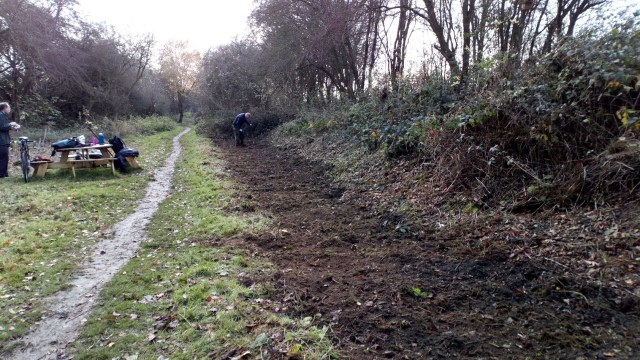
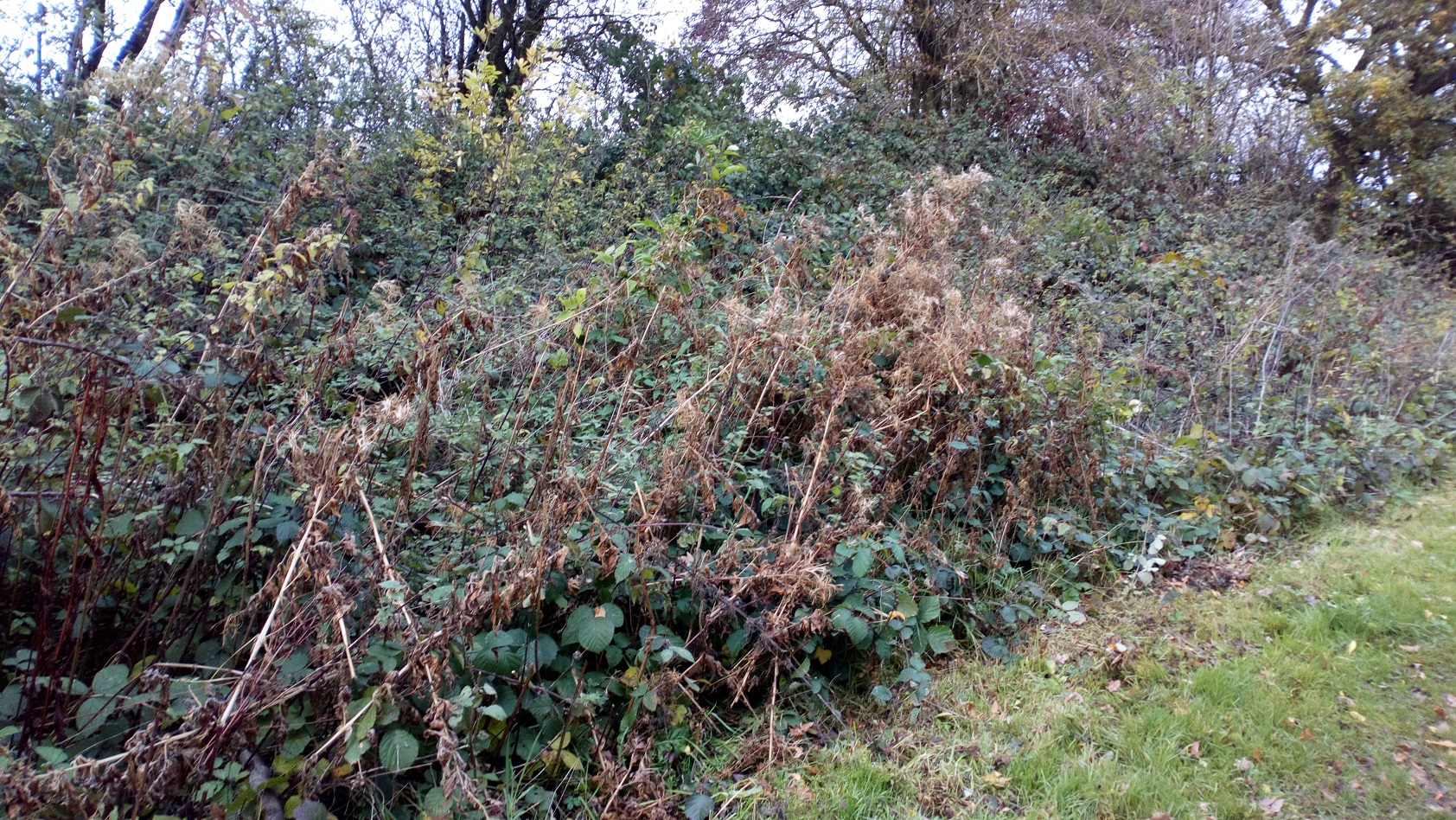
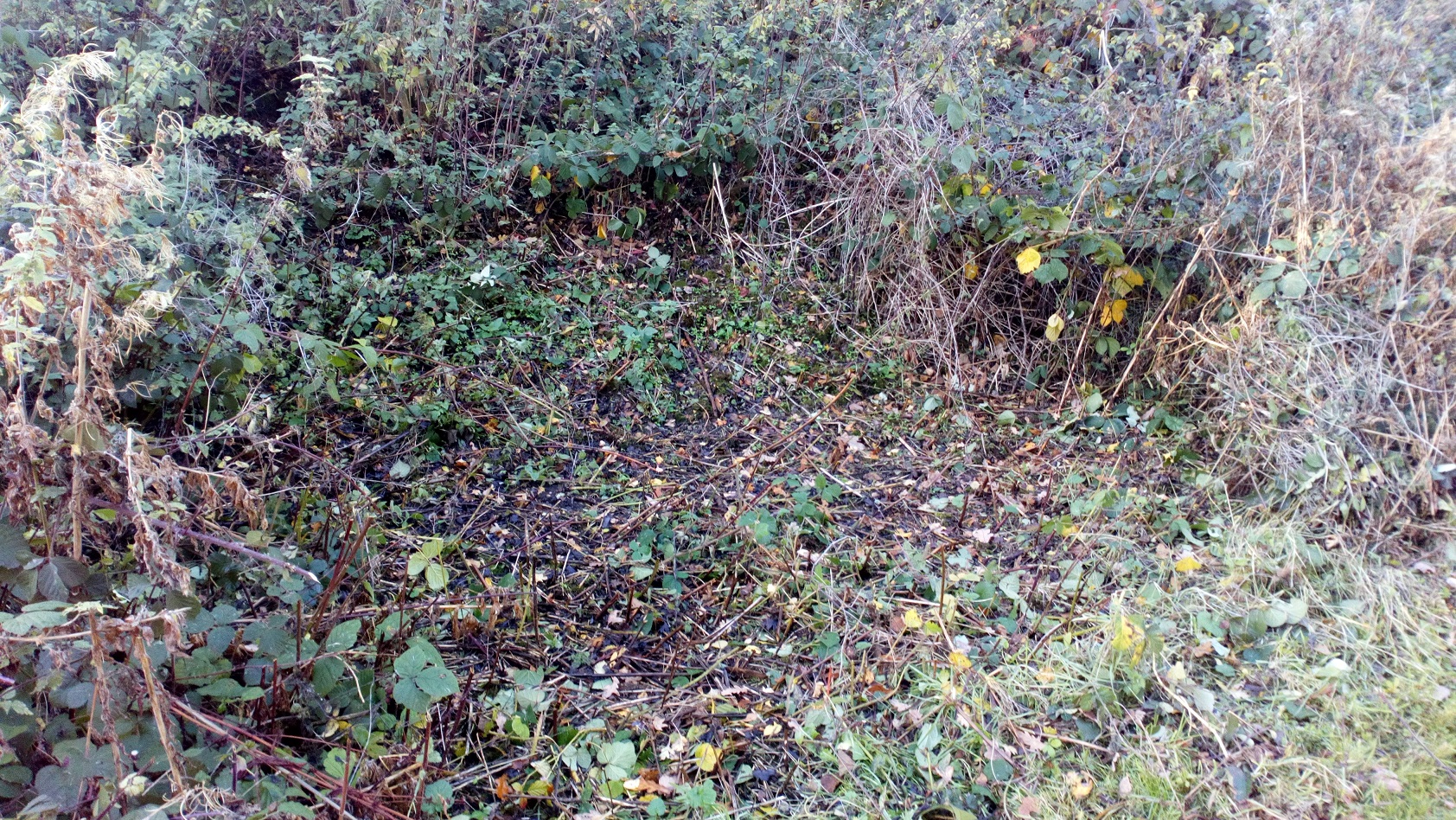
Today didn’t really go to plan. After watching scores of youtube clips on how to sow our seeds, I really thought it would be easy. They sure make it look easy. But no, it was pouring with rain and had been since last night, we only had one spade, we were up against it time-wise both on the day and getting the seeds into the ground in time for them to germinate for this summer. But Aaron and myself did what we could.

We found a pretty sheltered area and started to scrape the top off the ground. Eventually we had a three meter by one meter area of bare earth.
We mixed all of our seeds together and then mixed them with a peat-free compost for easy distribution.
We will just need to repeat the above a few times and then see what grows in the summer. As the wildflowers flower and then go to seed, we will need to scrape back more of the grass so the seeds can get into the soil and spread next year. We can introduce yellow rattle in the autumn. This is a lovely wildflower that is great for bees and is also semi-parasitic to grass so should keep it in check and help us get a good balance of grass and flowers.
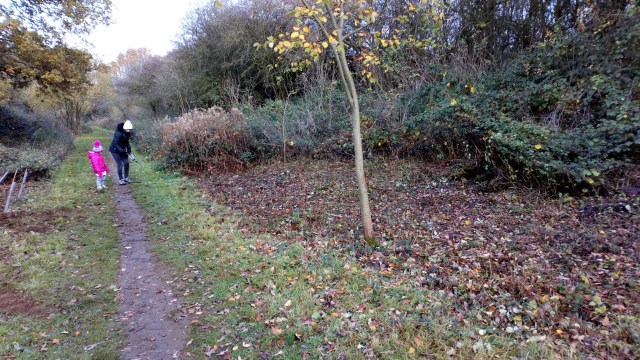
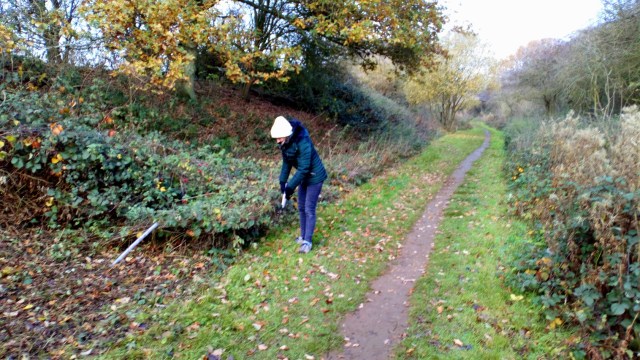
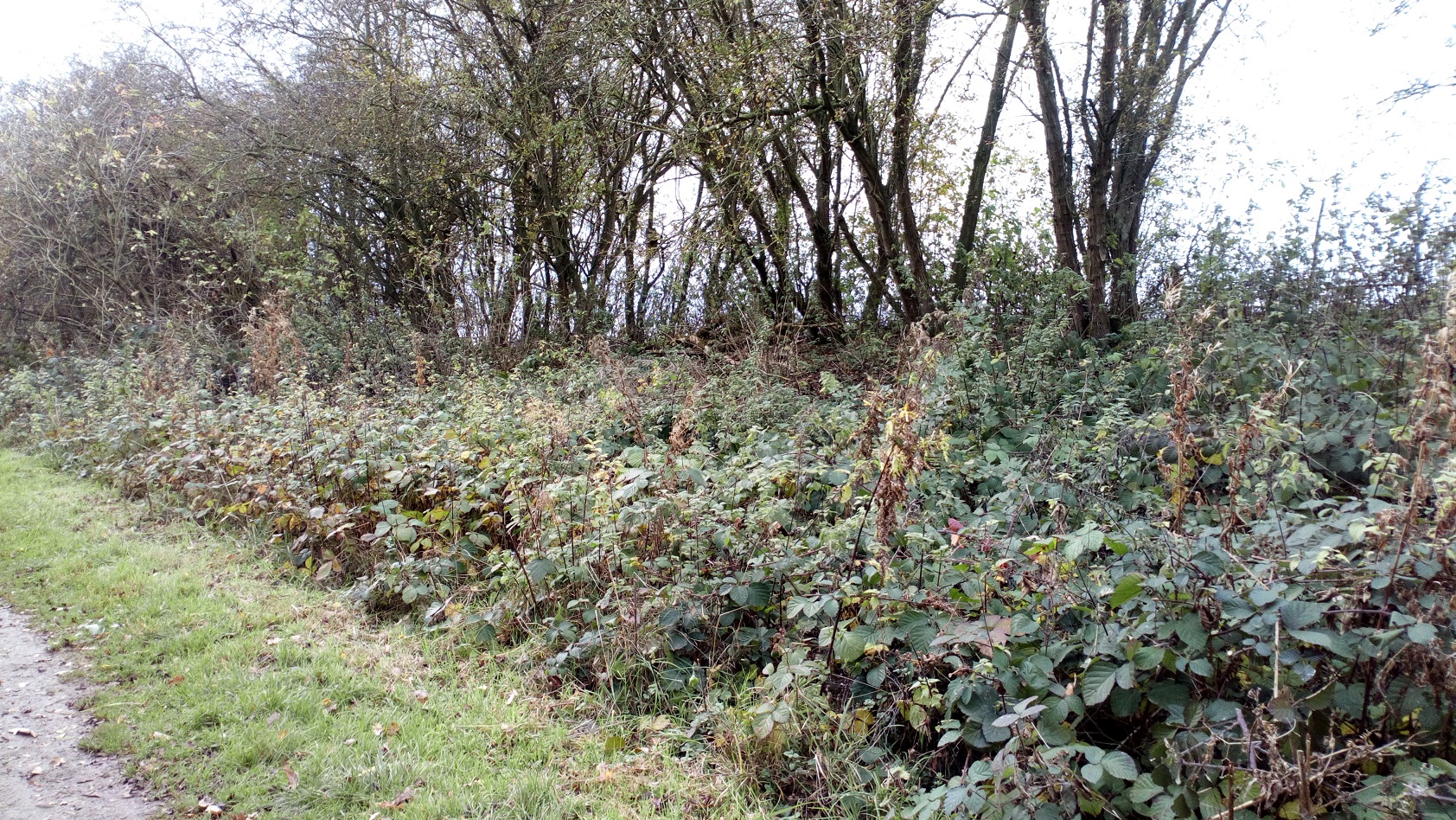
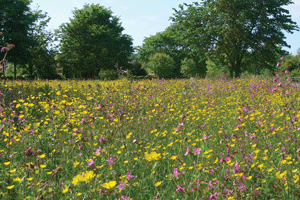
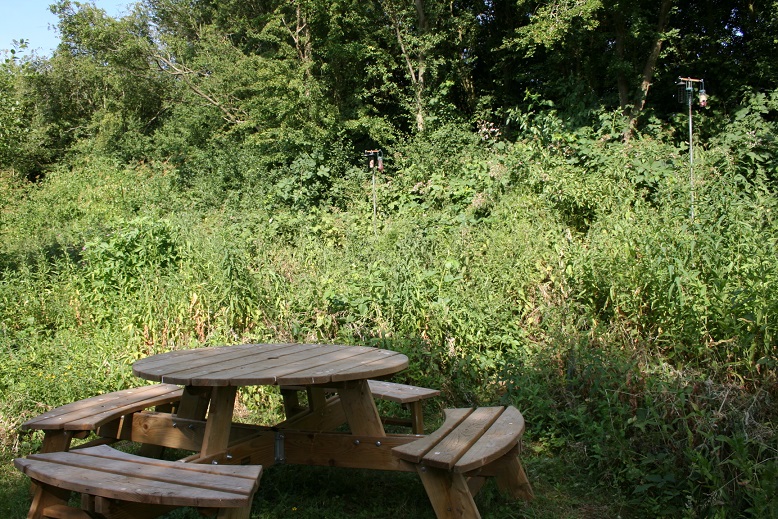
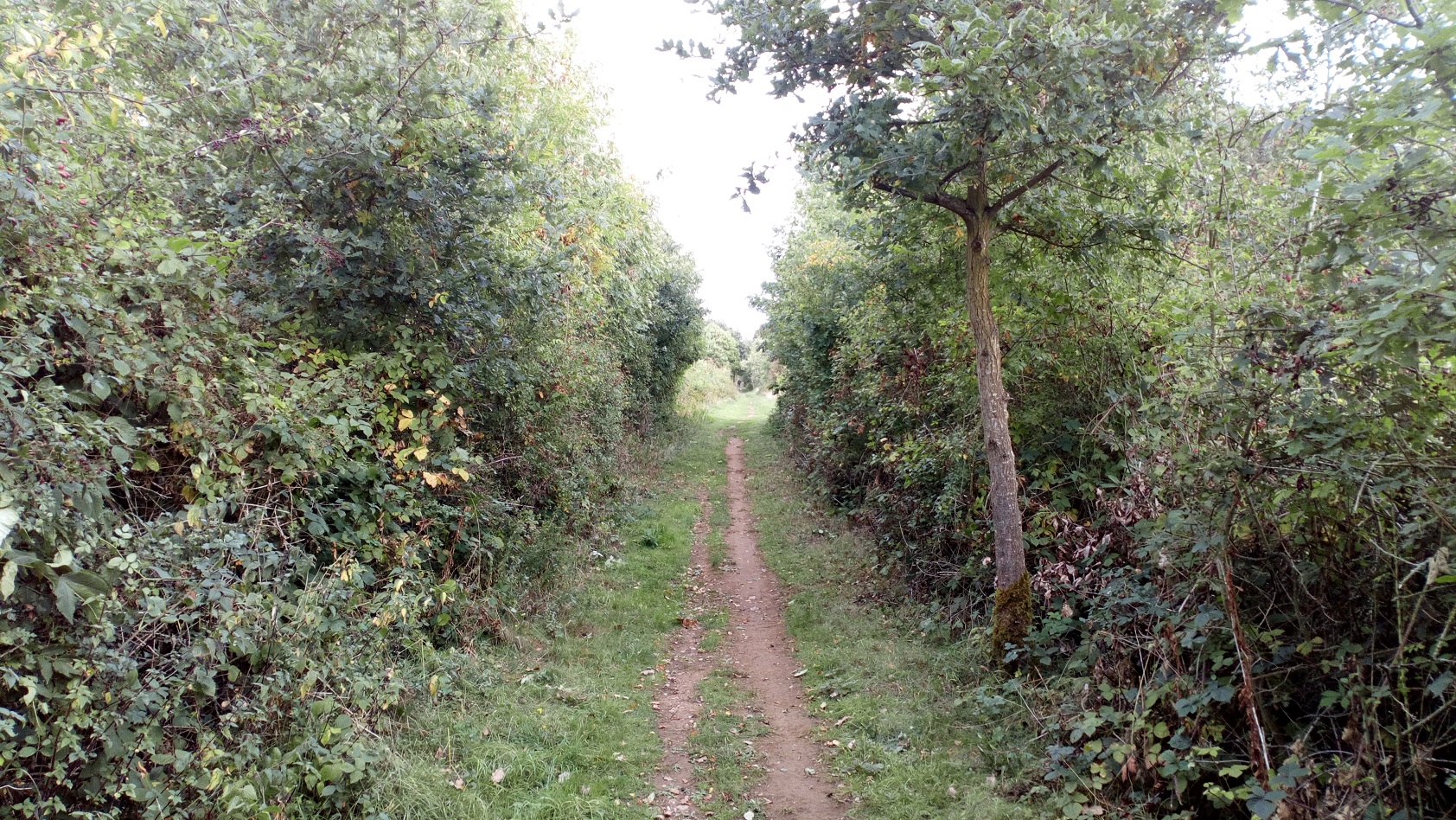
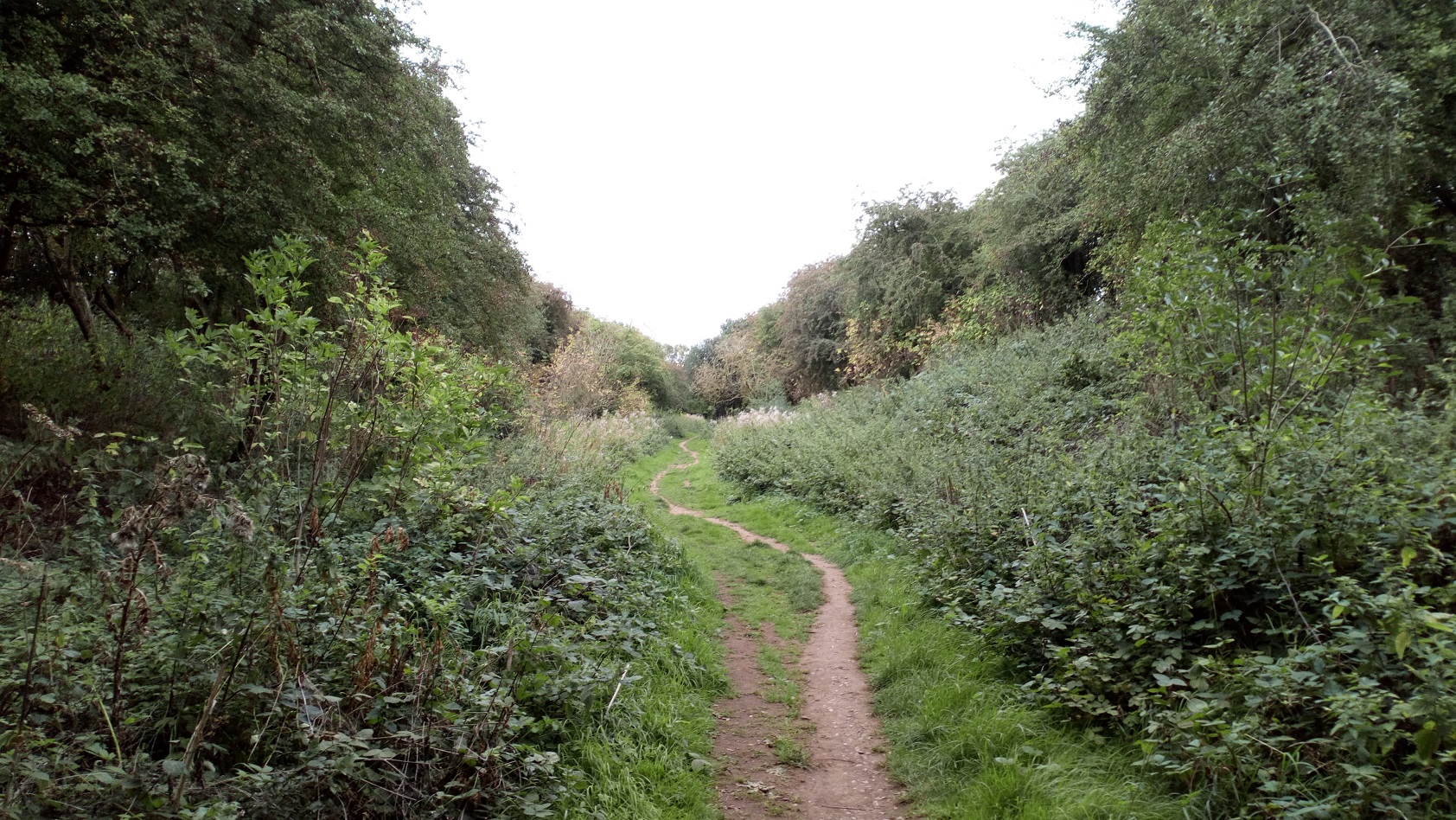
What we are trying to do is create a wildflower meadow with the path running through the middle and the bramble becoming hedging and shelter on the edges, so we will push back the bramble a bit more in the autumn and let the grass and flowers slowly get established.
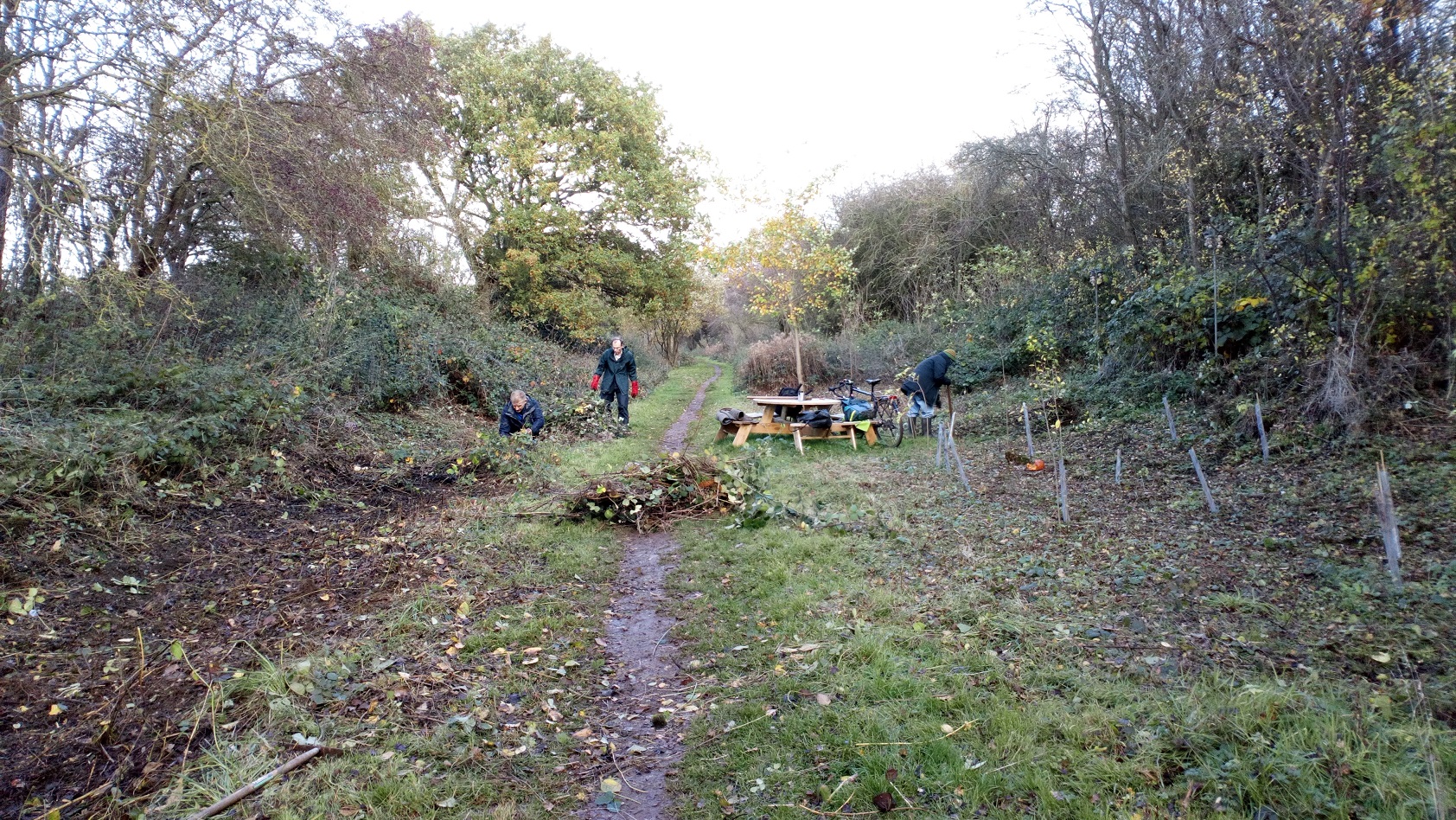
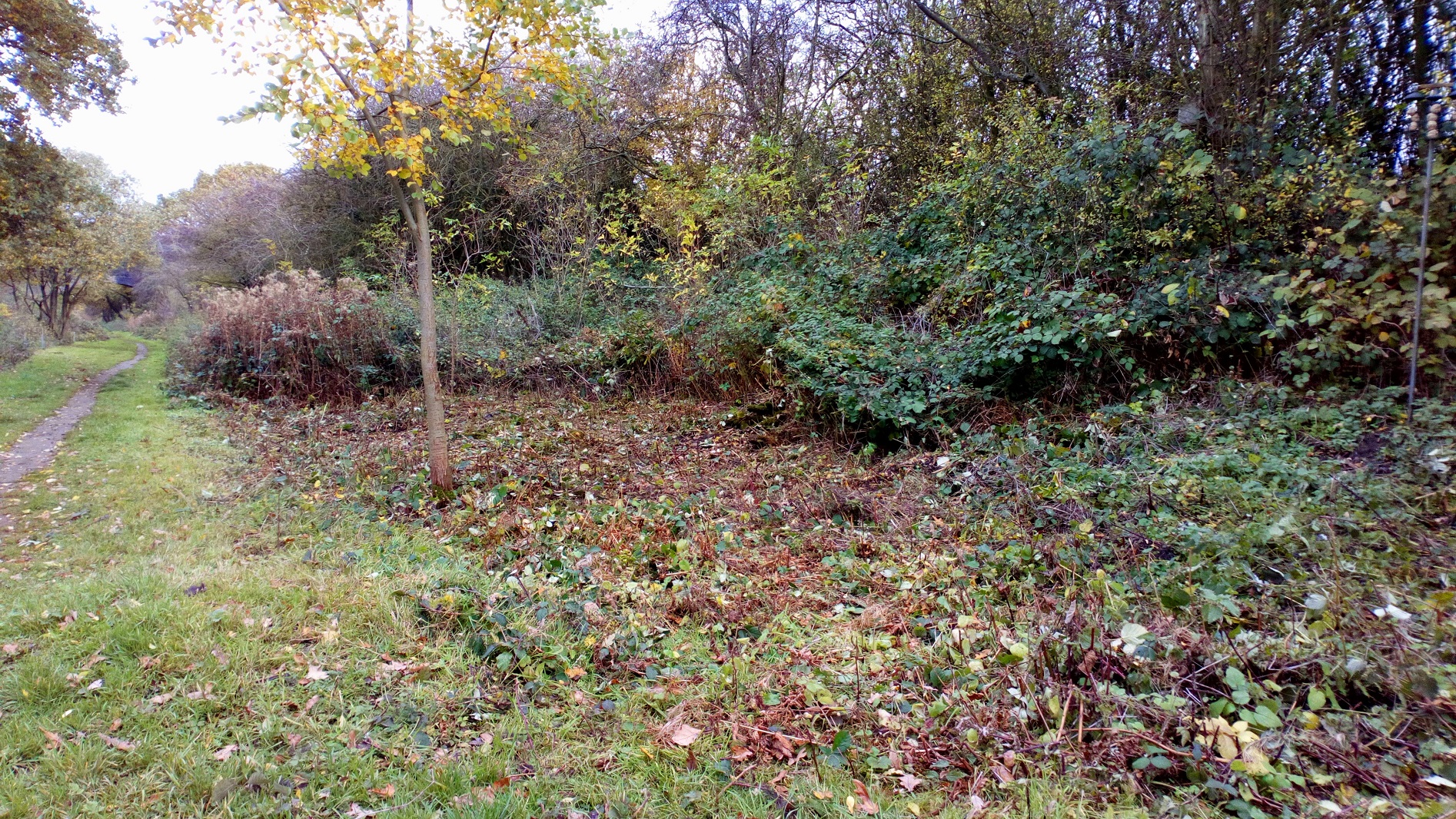
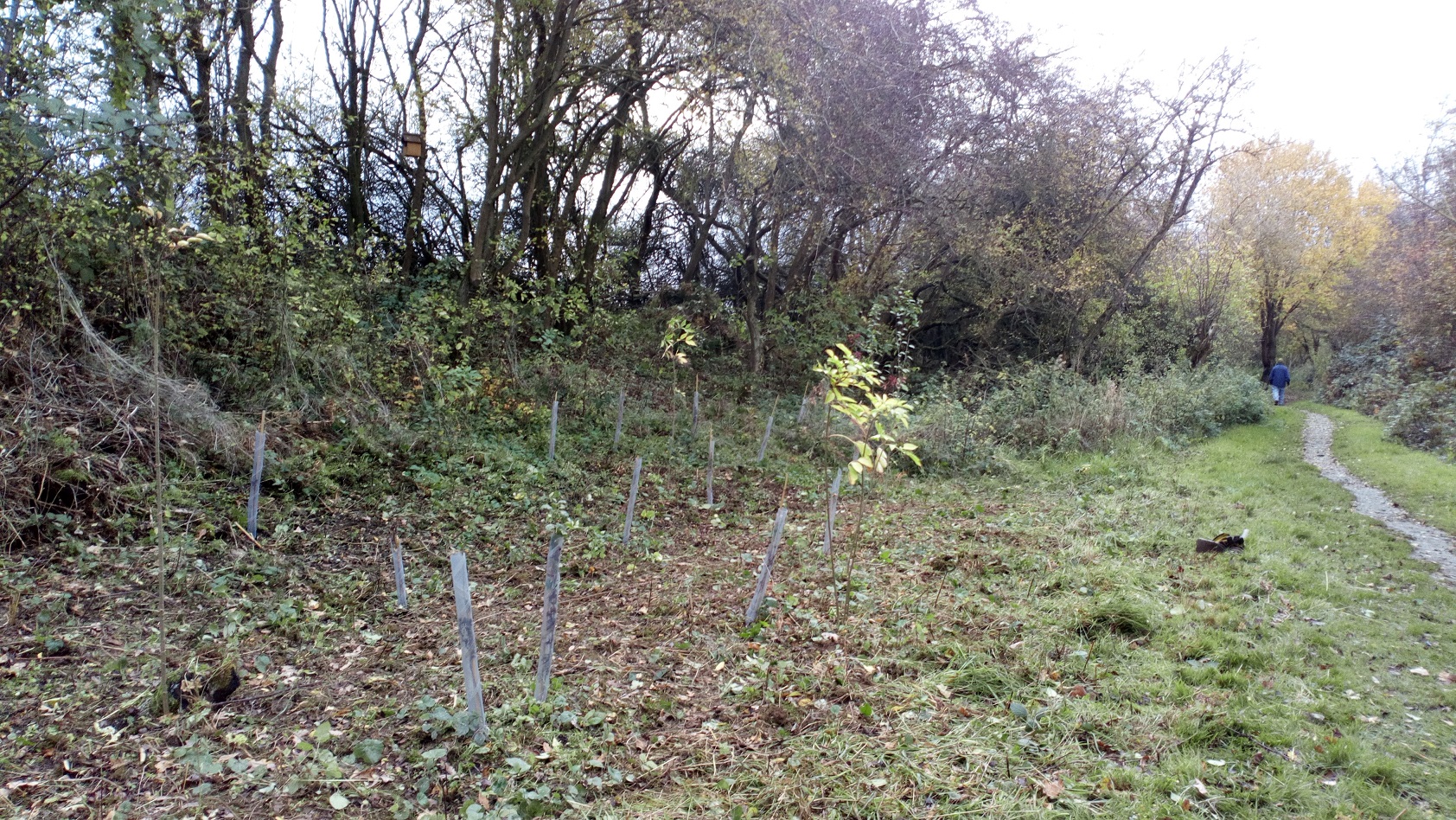
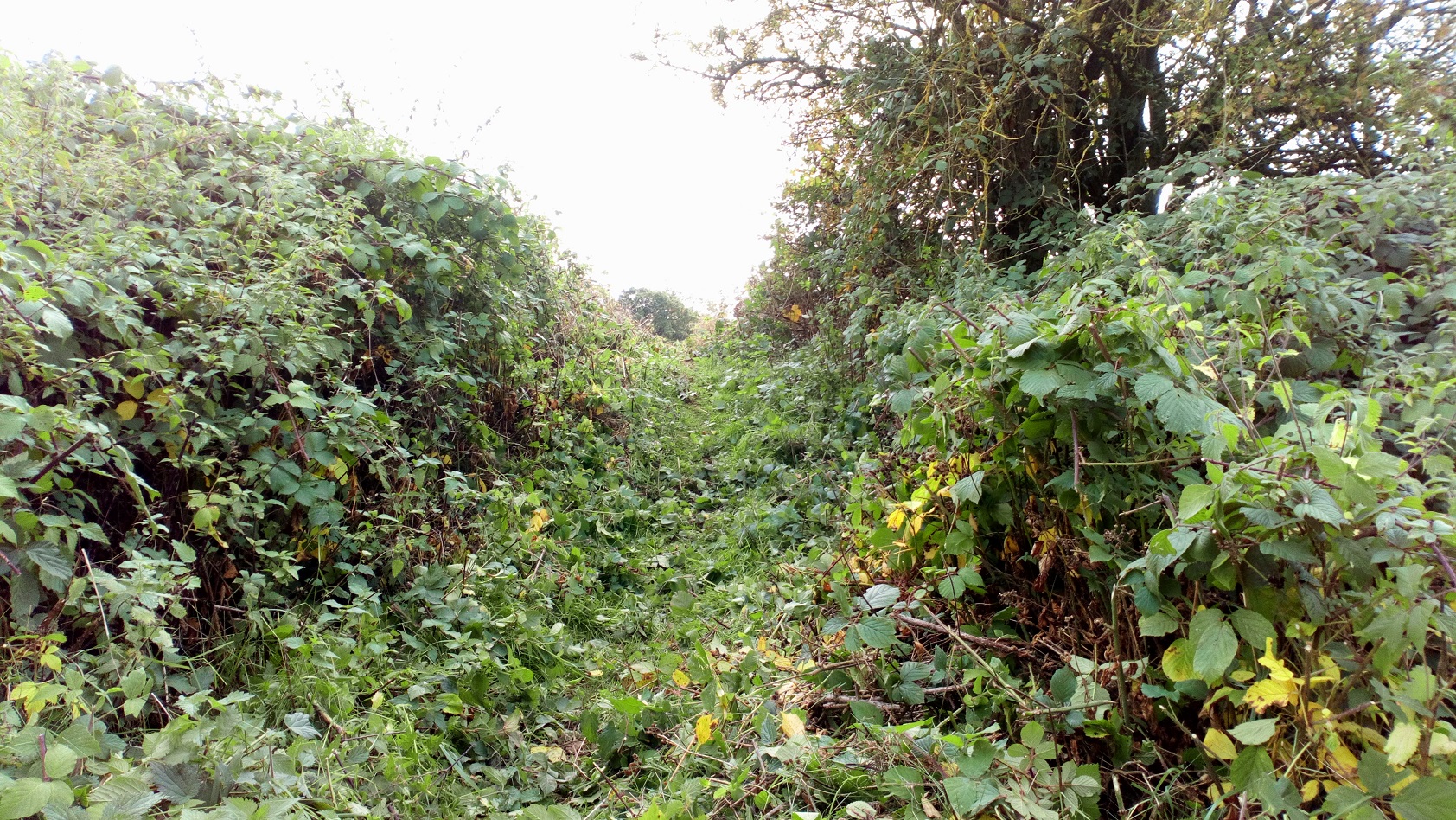
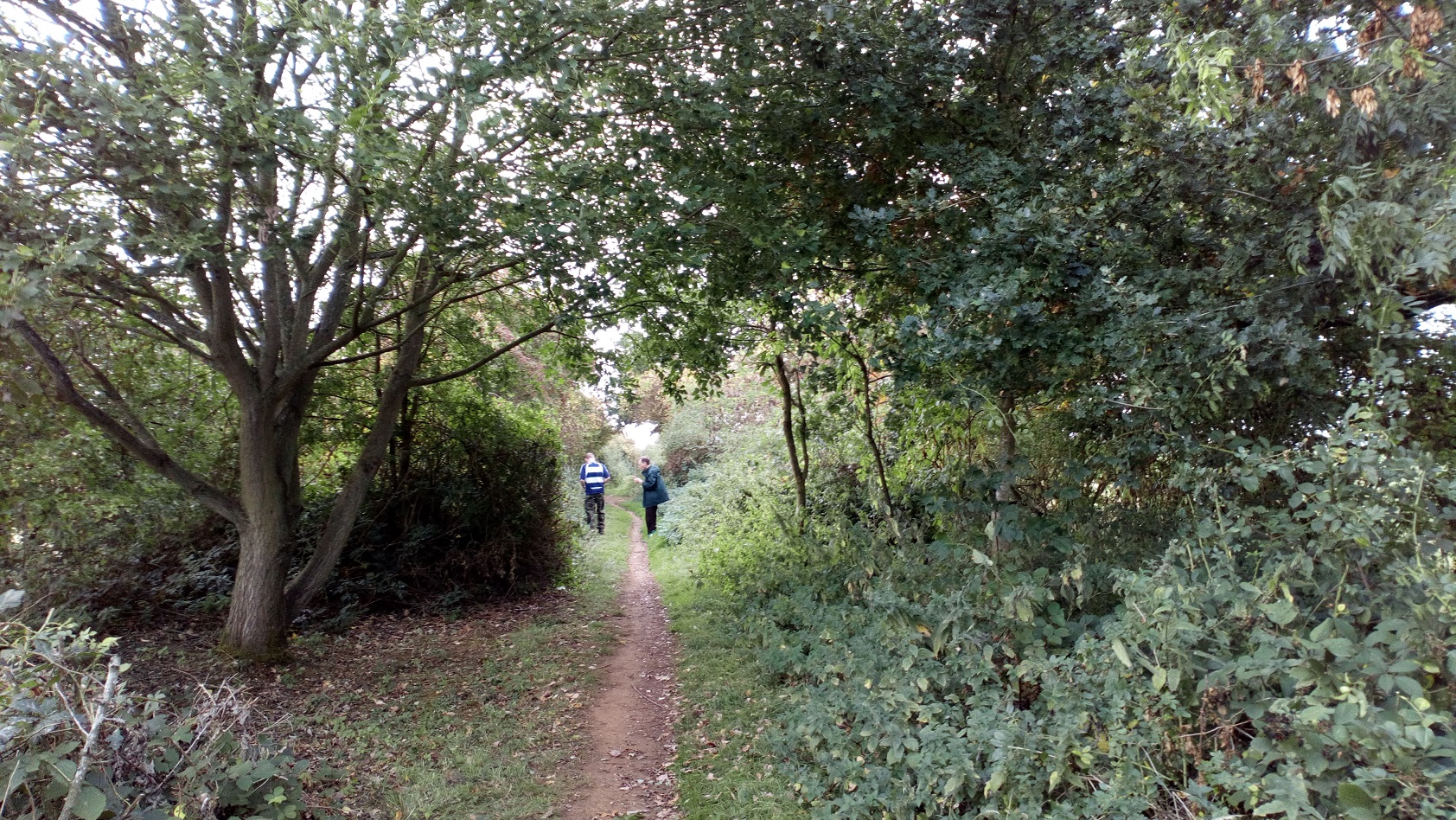
The picture in my head is a million miles away from the pictures above. It is all about helping the seeds to get into the ground and germinate this year and next.
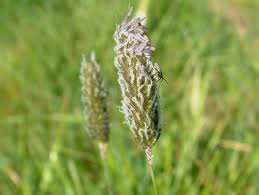
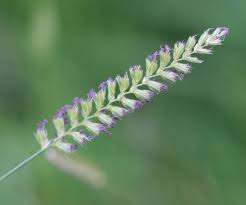
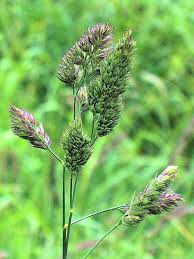
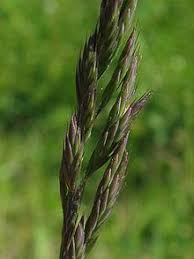
These are the seeds, kindly given to us by Sustrans Greener Greenways.
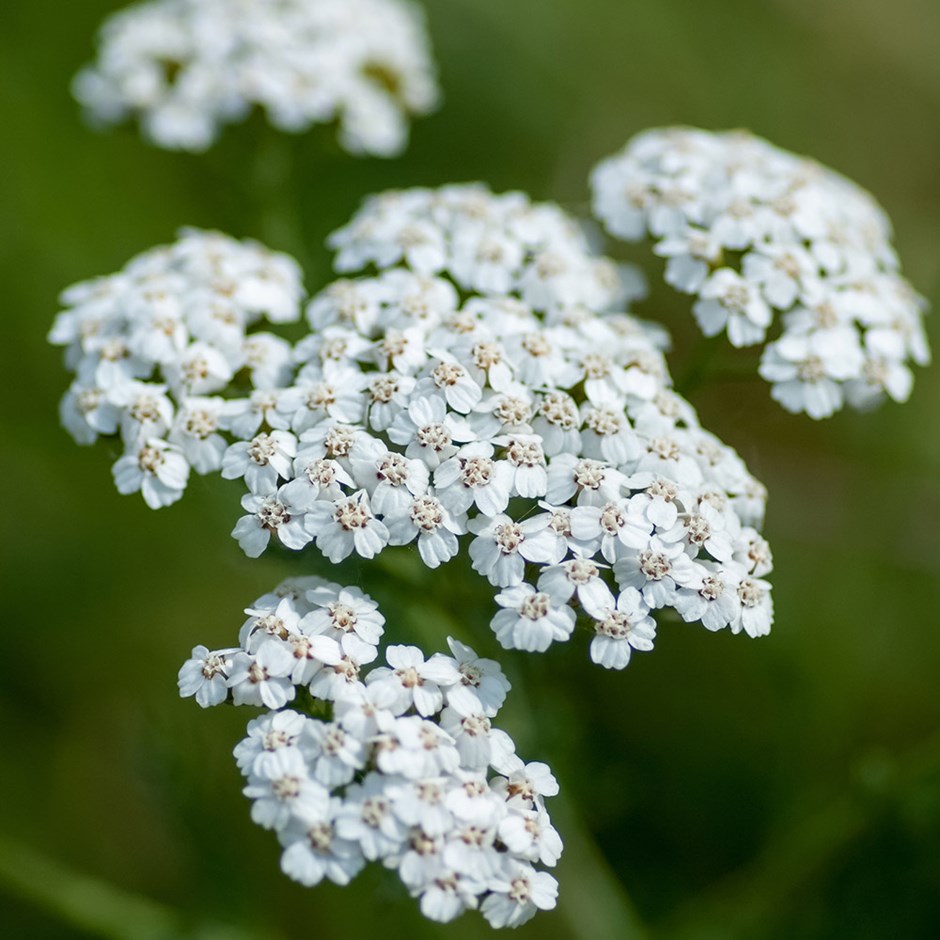
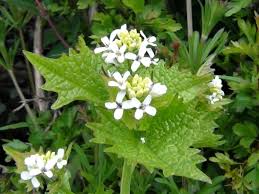
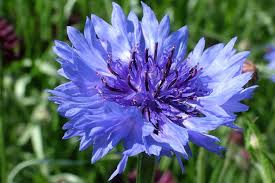
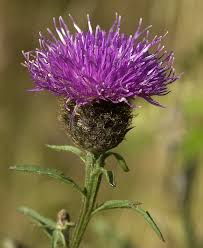
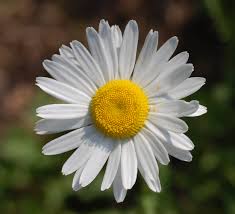
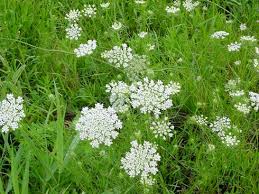
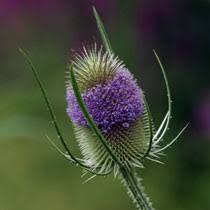
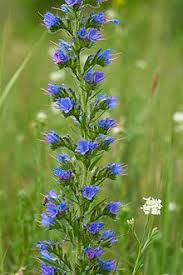
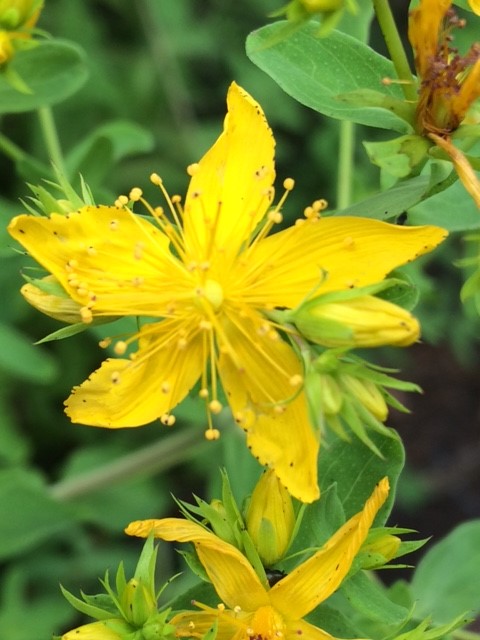
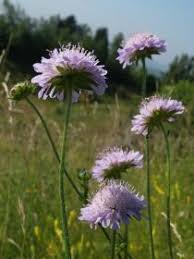
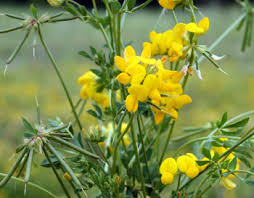
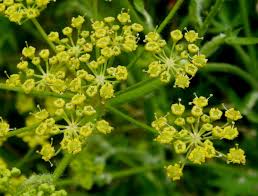
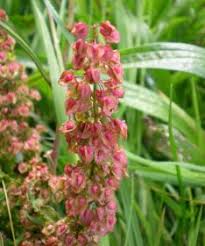
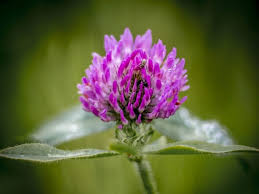
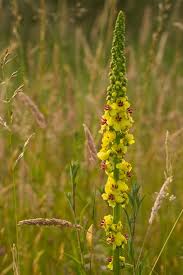
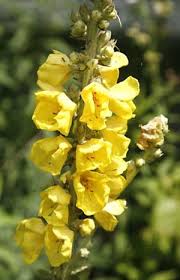
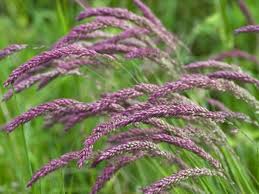
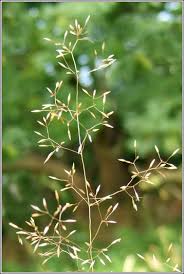
I added some field poppies, really just to commemorate the 1918 one hundred year anniversary. The seeds in the other packs are, bird’s foot trefoil, common knapweed, corncockle, crested dog’s-tail, hedge bedstraw, lady’s bedstraw, oxeye daisy, quaking grass, selfheal, yarrow, betony, corn chamomile, corn marigold, cowslip, foxglove, red campion, white clover, wild carrot, musk mallow, salad barnet, wild basil, wild marjoram, bladder campion, great mullein, campion, garlic mustard, nettle-leaved bellflower, St John’s wort, ragged robin and upright hedge-parsley.
Bit of a tough one today and really winging it. Hopefully we are on the right lines.
Paul


It’s looking good.
An interesting fungus that I will try and ID later on..

Loads of bumble-bees and Brimstone butterflies seen today. Great to see the greenway coming back to life.
So thinking that our feeders were safe from the squirrels, after they easily managed to scramble up our smooth steel poles, I wandered off southwards to pick up any litter.
It looks like I am going to have to shell out even more money to secure our feeders!! Hopefully it will be third time lucky. Thankfully I have kept all the previously chewed up feeders so was able to make good feeders with all the bits.
Jelly Ear used to be called Jew’s Ear. People think that the name was changed because it was disrespectful to Jewish people, but actually the name is derived from the belief that Judas Iscariot hanged himself from an elder tree, from which the fungus normally grows, and Judas’s Ear got shortened to Jew’s Ear. It is edible but not a great texture or taste. So there you go, a little bit of trivia for you, which is quite relevant at Easter time.